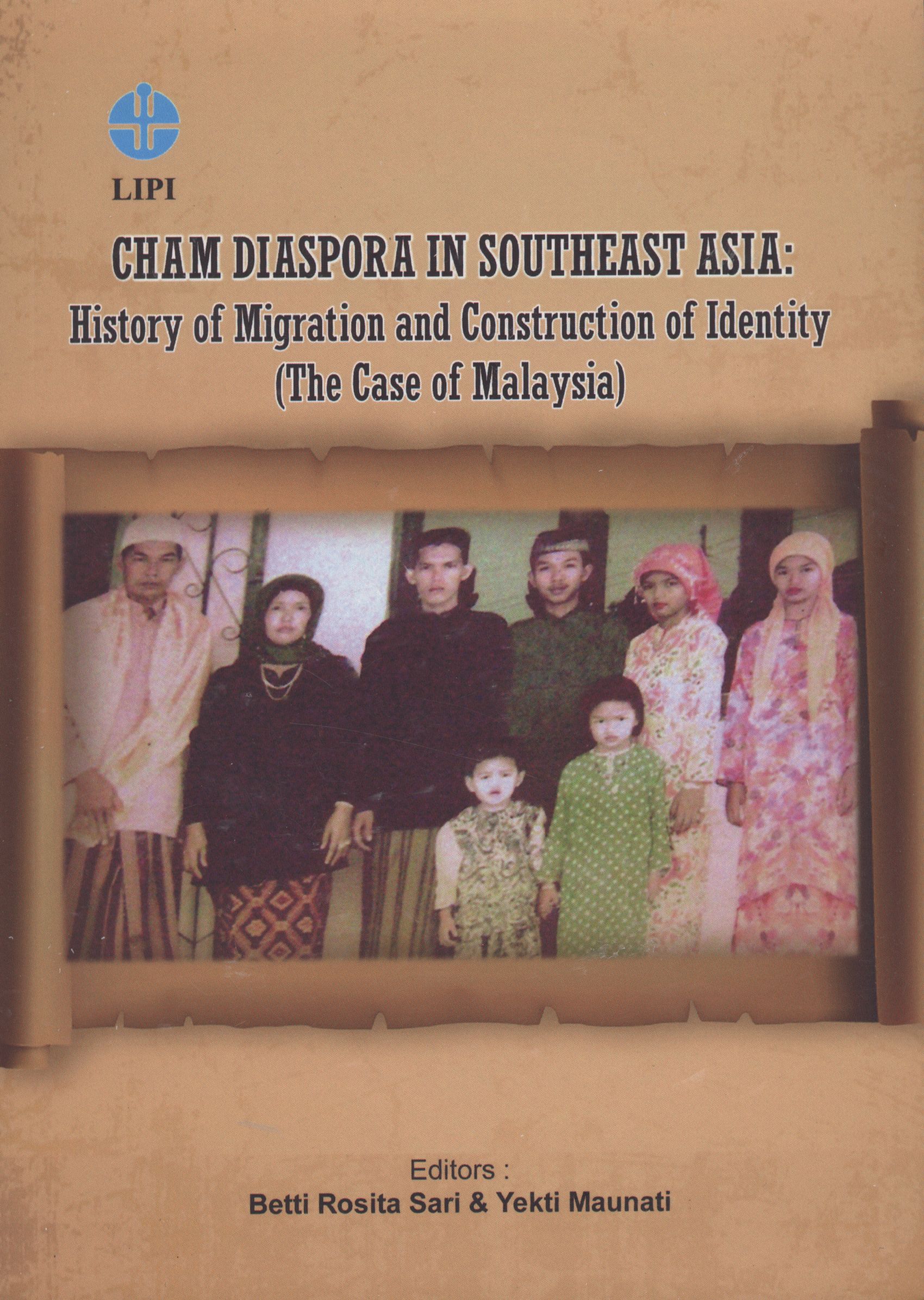
Cham Diaspora In Southeast Asia: History of Migration And Construction of Identity (The Case Study of Malaysia)
Diasporas, along with new and changed essential factors in aspects of people's lives appear as a result of different influences in transnational relations. This corresponds to an ethnic migration process which has played a decisive role in the establishment of a socio cultural entity in the communities in the Southeast Asian region. The Champa Kingdom was defeated by Vietnam in 1693 resulting in its people then spreading out to Southeast Asian countries, especially Cambodia, Malaysia, Thailand,and Indonesia. The migration to Cambodia itselftook place over a long period of time, starting from the end of the seventeenth and the beginning of the eighteenth centuries. Between the years 1975 and 1988 10,722 Charn refugees entered Malaysia. How Cham people, as a group of a diaspora, integrated themselves into new lands serves as an important means to L understanding the problems commonly found in other diaspora communities in the Southeast Asian region. Thus, there is a necessity to study comprehensively the history of cham migration to Malaysia and their identity establishment.
Specifications
- Publisher: LIPI Press
- Language: English
- Year: 2012
- Author: Betty Rositasari and Yekti Maunati