Sistem Elektronika dan Pengolahan Sinyal
Our research group, SEPS (Sistem Elektronika dan Pengolahan Sinyal), is part of the Research Center for Electronics and Telecommunications (P2ET-LIPI). Each member of our group has a research interest in the field of electronic systems and signal processing. The implementation of this field is quite widespread in various kinds of daily technology around us. One of our current research focuses is on autonomous vehicles. We are developing a telecommunications system for autonomous electric vehicles which will be operated in limited environments such as offices, industry, plantations, and independent city models. Moreover, we are developing object detection and recognition systems for autonomous electric vehicles. On the other hand, we are studying the technology of cognitive radio, proposing a method of radio spectrum sensing. Then we implement this technology for maritime communications. Researching this field is motivated by alternative broadband communication systems need in water areas. For COVID 19, our group has developed an integrated monitoring system for self-isolation. This technology aims to facilitate integrated self-isolation supervision for everyone who comes from high-risk areas of COVID 19. The monitoring system features are geo-fencing and notification for social distancing.
Group Leader : DR. Nasrullah Armi
Ongoing Research :
Research on Autonomous Electric Vehicle Developed in LIPI
A. Telecommunications System for Autonomous Electric Vehicles
We are developing a telecommunications system for autonomous electric vehicles which will be operated in limited environments such as office complexes, industry, plantations, and independent city models. The autonomous electric vehicle will have technical characteristics in carrying a limited number of passengers (one to two passengers). In addition, the vehicle speed tends to be slow, and the energy consumption is relatively small compared to autonomous electric vehicles developed abroad. The development of this autonomous electric vehicle is chosen because it considers the availability of battery technology and the differentiation of similar vehicles designed by large corporations and developed countries. And also to simplify the research and development process by reducing complex licensing and standardization aspects as with autonomous electric vehicles operating in public areas.
In this research, a telecommunications system for autonomous electric vehicles is built by utilizing the existing telecommunications infrastructure, which is WiFi 5 GHz (802.11ac). This infrastructure selection is based on the availability of 5 GHz WiFi, commonly used as a WLAN device. In addition, the use of 5 GHz WiFi is considered close to the standard frequency for vehicle communication systems (802.11p) with devices that are easily found in the development area. This telecommunication system supports the functionality of autonomous vehicles to communicate with infrastructure and the surrounding environment, particularly for moving, adjusting position and direction, and avoiding collisions, which is commonly known as the vehicle-to-infrastructure (V2I) communication system.
B. Object Detection and Recognition System for Autonomous Electric Vehicle
The development of object detection and recognition systems for autonomous electric vehicles is currently being carried out by several related industries worldwide. This is an effort to support the birth of private or mass vehicles that are environmentally friendly, operated without too much demand for the control role of humans or their passengers. Not only abroad, but the presence of autonomous electric vehicles in Indonesia is also highly expected, especially in response to the government's plan to introduce electric vehicles and their autonomous versions to be operated in the new capital city within the next four years. The development of autonomous electric vehicles is also supporting the national research agenda for electric cars in the future, continuing the national electric car research carried out several years earlier.
The autonomous electric vehicle developed by LIPI is slightly different from similar vehicles abroad. The autonomous electric vehicle will be intended for a limited environment with a small passenger capacity such as a golf cart to a large passenger capacity such as a bus. Basically, the vehicle needs a reliable and appropriate object detection and recognition system to run properly and safe, regardless of the autonomous electric vehicle type that will be developed. Therefore, in this research, object detection and recognition system are designed and developed to support the mobility of autonomous electric vehicles. The system is built by utilizing the information processing methods sourced from omnidirectional images, point cloud data LiDAR (Light Detection and Ranging) and thermal images. And also employing methods of detecting and recognizing objects based on the concept of deep learning, which is one of the variants of artificial intelligence technology (AI). The concept of AI-based technology is also a supporting element for the industrial revolution 4.0. Its implementation is strongly encouraged by the Ministry of Industry through the "Making Indonesia 4.0" initiative. One of the agendas is to make Indonesia a major producer of conventional and electric motor vehicles in southeast Asia.
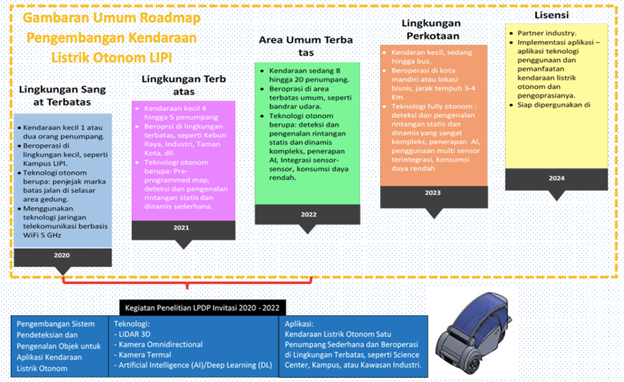
Figure. Roadmap of Autonomous Electric Vehicle Development in 2020-2024
A. Telecommunications System for Autonomous Electric Vehicles We are developing a telecommunications system for autonomous electric vehicles which will be operated in limited environments such as office complexes, industry, plantations, and independent...
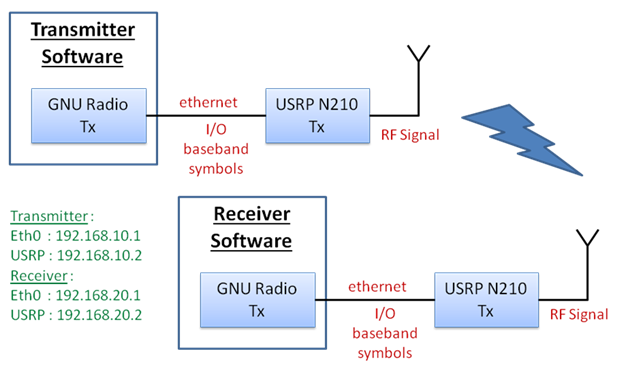
At this time, the evolution of wireless communication systems has significantly influenced the development of telecommunications technology and users. However, at the same time, the rapidly increasing number of wireless communication users will impact...
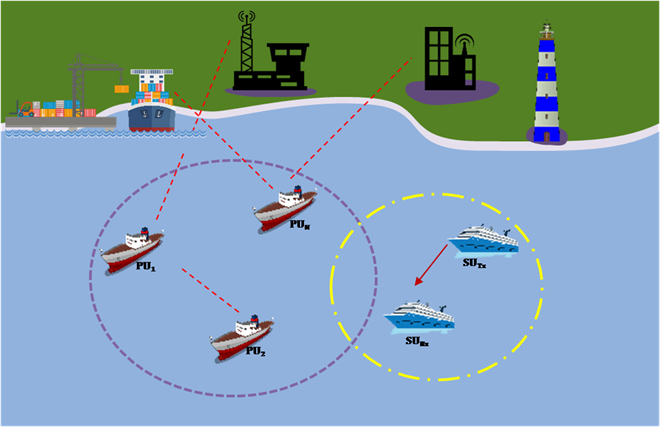
Cognitive Radio (CR) is present as a solution to the scarcity of frequency spectrum due to the increasing demand for spectrum usage. As is well known, most countries in the world adopt a static spectrum allocation policy. With this policy, each spectrum...
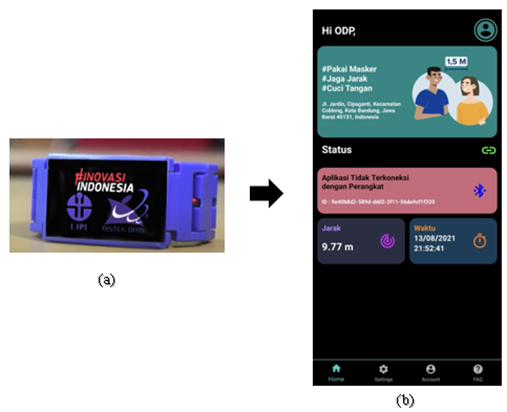
During the COVID-19 pandemic, wearable devices integrated with information systems can be used to monitor individuals in ODP (Orang Dalam Pantauan) or PDP (Pasien Dalam Pengawasan) status. ODP and PDP individuals who undergo quarantine often violate quarantine...

Group Leader
Research Interest- Cognitive Radio
- Dynamic Spectrum Access
- nternet of Things
- Wireless Communication
- Wireless Sensor Network
- Error rate detection due to primary user emulation attack in cognitive radio networks
International Journal of Electrical and Computer Engineering (IJECE) Vol. 10, No. 5, October 2020, pp. 5385~5391 (2020) - Performance analysis of OFDM-IM scheme under STO and CFO.
International Journal of Electrical and Computer Engineering (IJECE) Vol. 11, No. 4, August 2021, pp. 3293~3299 ISSN: 2088-8708, (2021) - Cooperative Game Theory Approach for Energy-Efficient Node Clustering in Wireless Sensor Network
Jurnal Elektronika dan Telekomunikasi (2020)
- S-3 (Doctor of Philosophy): University of Technology Petronas, Department of Electrical and Electronic Engineering, Malaysia
- S-2 (Master of Engineering): Toyohashi University of Technology, Knowledge based Information Engineering Department, Japan
- S-1 (Bachelor of Enginerring): National Institute of Technology, Electrical Engineering

Koordinator Program
Research Interest- signal processing
- wireless communication
- machine learning
- computer system
- Performance analysis of OFDM-IM scheme under STO and CFO.
International Journal of Electrical and Computer Engineering (IJECE) Vol. 11, No. 4, August 2021, pp. 3293~3299 ISSN: 2088-8708, (2021) - Plant diseases detection with low resolution data using nested skip connections
Journal of Big Data volume 7, Article number: 57 (2020) (2020)
- S3 (Doctor of Philosophy) : Bandung Institute of Technology (ITB), Indonesia
- S2 (Master of Enginnering) : Bandung Institute of Technology (ITB), Indonesia
- S1 : Bandung Institute of Technology (ITB), Indonesia

Peneliti Muda
Research Interest- Multimedia signal processing
- Telecommunication system
- Electrical Engineering
- Performance analysis of OFDM-IM scheme under STO and CFO.
International Journal of Electrical and Computer Engineering (IJECE) Vol. 11, No. 4, August 2021, pp. 3293~3299 ISSN: 2088-8708, (2021)
- S-3 Waseda University
- S-2 Institut Teknologi Bandung
- S-1 Universitas Jend. Achmad Yani

Peneliti Pertama
Research Interest- Signal Processing
- Wireless Communication
- Cooperative Game Theory Approach for Energy-Efficient Node Clustering in Wireless Sensor Network
Jurnal Elektronika dan Telekomunikasi (2020)
- S2 : Electrical Engineering, School of Electrical Engineering and Informatics, Institut Teknologi Bandung (ITB), Indonesia
- S1 : Electrical Engineering, School of Electrical Engineering and Informatics, Institut Teknologi Bandung (ITB), Indonesia

Peneliti Muda
Research Interest- Wireless Communication
- Signal Processing
- Cognitive Radio Networ
- Cooperative Communication
- Game Theory
- Cooperative Game Theory Approach for Energy-Efficient Node Clustering in Wireless Sensor Network
Jurnal Elektronika dan Telekomunikasi (2020)
- Master of Engineering in Electrical Engineering, Institut Teknologi Sepuluh Nopember (ITS), 2012
- Bachelor of Engineering in Telecommunication Engineering, Sekolah Tinggi Teknologi Telkom Bandung (STT Telkom), 2006

Peneliti Muda
Research Interest- Signal Processing
- Wireless Communication
- Performance analysis of OFDM-IM scheme under STO and CFO.
International Journal of Electrical and Computer Engineering (IJECE) Vol. 11, No. 4, August 2021, pp. 3293~3299 ISSN: 2088-8708, (2021)
- Master of Engineering, School of Electrical Engineering and Informatics, Bandung Institute of Technology (ITB)
- Bachelor of Engineering in Electrical Engineering, Brawijaya University (UB)

Peneliti Pertama
Research Interest- computer networks
- internet
- telematics
- data science
- data engineering
- data management
- wireless network
- software defined networking
- named data network
- autonomous vehicle telecommunication
- 5G
- S2(Master of Engineering), Institut Teknologi Bandung, Faculty of Informatics, and Electrical Engineering
- S1(Bachelor of Science), Institut Teknologi Bandung, Departement of Physics

Pegawai Pelatihan
Research Interest- Signal processing
- High-performance computing
- embedded systems
- FPGA-based implementation of a chirp signal generator using an OpenCL design
Microprocessors and Microsystems (2020)
- Computer Science, University of Tsukuba ( 2020)
- S2 - Information Sciences, Chiba University (2012)
- S2- Fisika, Universitas Indonesia (2008)
- S1 - Fisika, Universitas Padjadjaran (1999-2004)

Peneliti Pertama
Research Interest- Energy Efficiency
- Green Telecommunication and Renewable Energy
- Wireless Communicatio
- S2 (Master of Engineering), Majoring in Telecommunication Management, Department of Electrical Engineering, Unversitas Indonesia (UI), Indonesia
- S1 (Bachelor of Engineering), Majoring in telecommunication Engineering, Department of Electrical Engineering, Institut Sains dan Teknologi Nasional (ISTN), Indonesia

Peneliti Pertama
Research Interest- signal processing
- machine learning
- telecommunication
- Cooperative Game Theory Approach for Energy-Efficient Node Clustering in Wireless Sensor Network
Jurnal Elektronika dan Telekomunikasi (2020)
- S-2 Elektro ITB
- S-1 Universitas Andalas

Peneliti Muda
Research Interest- Telecommunication
- Digital Signal Processing
- Cooperative Game Theory Approach for Energy-Efficient Node Clustering in Wireless Sensor Network
Jurnal Elektronika dan Telekomunikasi (2020)
- S1- Universitas Jenderal Ahmad Yani

Peneliti Pertama
Research Interest- Multimedia Signal Processing
- Pattern Recognition
- Cooperative Game Theory Approach for Energy-Efficient Node Clustering in Wireless Sensor Network
Jurnal Elektronika dan Telekomunikasi (2020)
- S2 : Electrical Engineering, School of Electrical Engineering and Informatics, Institut Teknologi Bandung (ITB), Indonesia
- S1 : Computer Engineering, Faculty of Information Technology, Universitas Andalas (UNAND), Indonesia

Peneliti Muda
Research Interest- Wireless communication
- Cognitive Radio
- Multicarrier systems
- Performance analysis of OFDM-IM scheme under STO and CFO.
International Journal of Electrical and Computer Engineering (IJECE) Vol. 11, No. 4, August 2021, pp. 3293~3299 ISSN: 2088-8708, (2021) - Cooperative Game Theory Approach for Energy-Efficient Node Clustering in Wireless Sensor Network
Jurnal Elektronika dan Telekomunikasi (2020)
- S3 (Doctor of Philosophy) : Bandung Institute of Technology (ITB), STEI, Indonesia
- S2 (Master of Enginnering) : Bandung Institute of Technology (ITB), Computer and Multimedia Systems, Indonesia
- S1 : Bandung Institute of Technology (ITB), Bachelor of Telecommunication Engineering, Indonesia

Peneliti Pertama
Research Interest- Signal processing
- Machine learning
- Performance analysis of OFDM-IM scheme under STO and CFO.
International Journal of Electrical and Computer Engineering (IJECE) Vol. 11, No. 4, August 2021, pp. 3293~3299 ISSN: 2088-8708, (2021)
- S2 : Electrical Engineering, School of Electrical Engineering and Informatics, Institut Teknologi Bandung (ITB), Indonesia

Peneliti
Research Interest- Signal processing
- S-3 Curtin University of Technology, Western Australia
- S-2 Universite Piere et Marie Currie, Paris 6, France
- S-1 ESIGELEC, Rouen, France

Peneliti
Research Interest- Electronics
- Signal Processing
- Image Processing
- S2 Teknik Elektro Universitas Gadjah Mada
- S1 Teknik Elektro Universitas Gadjah Mada

Peneliti
Research Interest- Image/Signal Processing
- Machine Learning
- Master of Science in Digital Signal Processing, The University of Manchester, 2018
- Bachelor of Computer Science, Universitas Diponegoro, 2013

Peneliti
Research Interest- signal processing
- machine learning
- embedded systems
- S3 (Doctor of Philosophy) Kumamoto University, Department of Advanced Industrial Science, Japan
- S2 (Master of Engineering) Kumamoto University, Department of Computer Science and Electrical Engineering, Japan
- S1 (Bachelor of Engineering) Institut Teknologi Sepuluh Nopember, Department of Engineering Physics, Indonesia

Teknisi Laboratorium
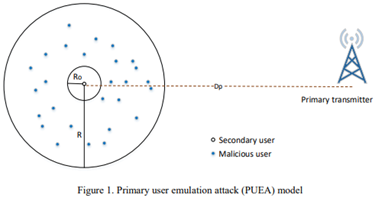
N. Armi, W. Gharibi, W. Z. Khan
International Journal of Electrical and Computer Engineering (IJECE) Vol. 10, No. 5, October 2020, pp. 5385~5391
2020
Abstrak
Security threat is a crucial issue in cognitive radio network (CRN). These threats come from physical layer, data link layer, network layer, transport layer, and application layer. Hence, security system to all layers in CRN has a responsibility to protect...
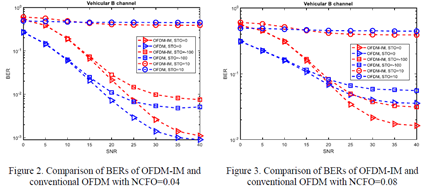
Suyoto; Agus Subekti, Arief Suryadi Satyawan; Vita Awalia Mardiana; Nasrullah Armi, Dayat Kurniawan
International Journal of Electrical and Computer Engineering (IJECE) Vol. 11, No. 4, August 2021, pp. 3293~3299 ISSN: 2088-8708,
2021
Abstrak
In this letter, performance analysis of orthogonal frequency division multiplexing with index modulation (OFDM-IM) is presented in term of bit error rate (BERs). The analysis considers its performance under two impairments, symbol time offset (STO) and...
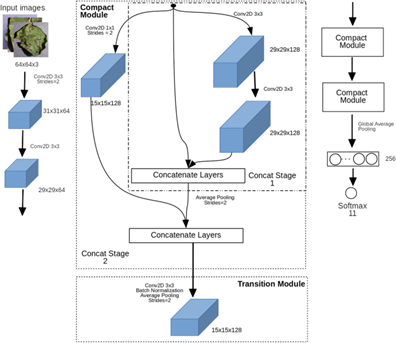
Hilman F Pardede, Endang Suryawati, Vicky Zilvan, Ade Ramdan, R Budiarianto S Kusumo, Ana Heryana, R Sandra Yuwana, Dikdik Krisnandi, Agus Subekti, Fani Fauziah, Vitria P Rahadi
Journal of Big Data volume 7, Article number: 57 (2020)
2020
Abstrak
At the moment, there are increasing trends of using deep learning for plant diseases detection. However, their implementations may be difficult in developing countries due to several reasons. First, existing deep learning models are usually trained with...
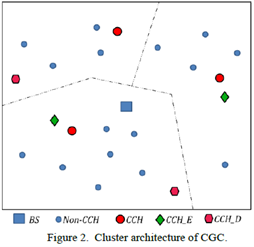
Chaeriah Bin Ali Wael, Nasrullah Armi, Arumjeni Mitayani, Suyoto Suyoto, Salita Ulitia Prini, Winy Desvasari, Rico Dahlan, Ros Sariningrum
Jurnal Elektronika dan Telekomunikasi
2020
Abstrak
Energy consumption is one of the critical challenges in designing wireless sensor network (WSN) since it is typically composed of resource-constrained devices. Many studies have been proposed clustering to deal with energy conservation in WSN. Due to...
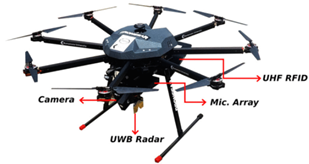
Budiman P. A. Rohman; Muhammad Bagus Andra; Masahiko Nishimoto
IEEE Journal of Selected Topics in Applied Earth Observations and Remote Sensing, vol. 14, pp. 6572-6584, 2021
2021
Abstrak
The detection of a human being behind obstacles using radar technology has many promising applications, such as postdisaster search and rescue missions. In the case of large observation areas, the use of an unmanned aerial vehicle as the moving...
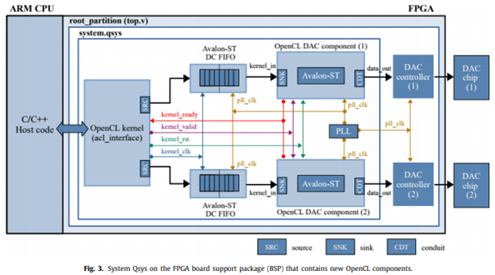
Iman Firmansyah, Yoshiki Yamaguchi
Microprocessors and Microsystems
2020
Abstrak
A novel approach to developing an FPGA-based chirp signal generator using high-level synthesis implementation is proposed. OpenCL, which is a framework used for high-level synthesis (HLS) methodologies, is employed instead of the Verilog/VHDL language...
- BP2D JABAR
- PT Telkom
- PT LEN
- Dinas Kesehatan kota Bandung
- Telkom Univeristy
- Nurtanio University
- IT Telkom Purwokerto