Material dan Divais Sel Surya
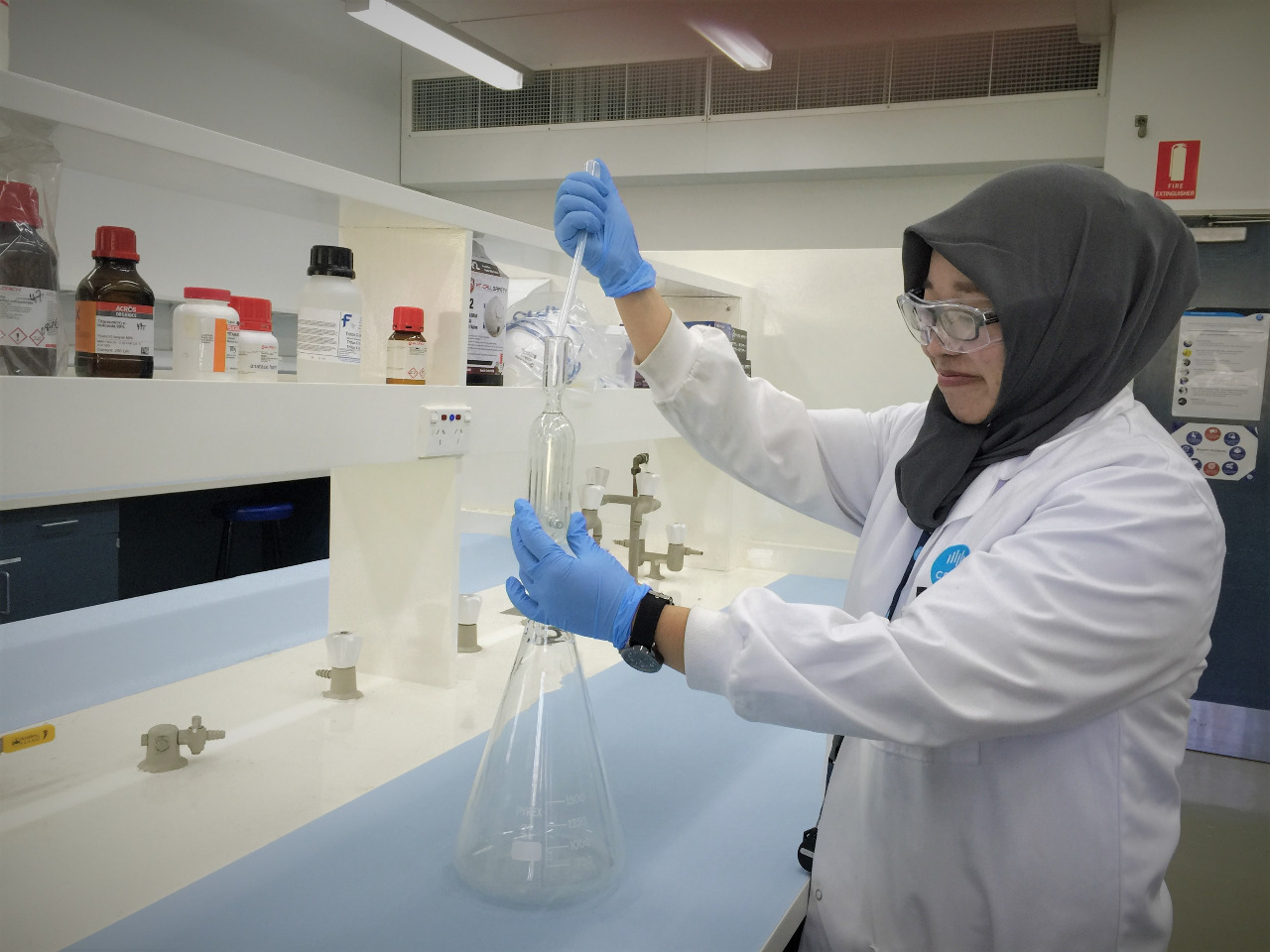
The Materials and Devices for Solar Cells or Material dan Divais untuk Sel Surya (MDSS) group is part of research groups within the Research Center for Electronics and Telecommunications, Indonesian Institute of Science (P2ET LIPI).
Our group is inspired to develop technology to address the pressing need of sustainable, yet green and clean energy resources for humanity. Our research is primarily focused on the development of materials syntheses and device fabrications for solar energy driven applications. We are currently developing novel ways to build and improve the performance stability of dye-sensitized solar modules. Moreover, we are also investigating new materials and methods to develop polymer- and perovskite-based solar cells. Our main competencies can be seen in the Figure below:
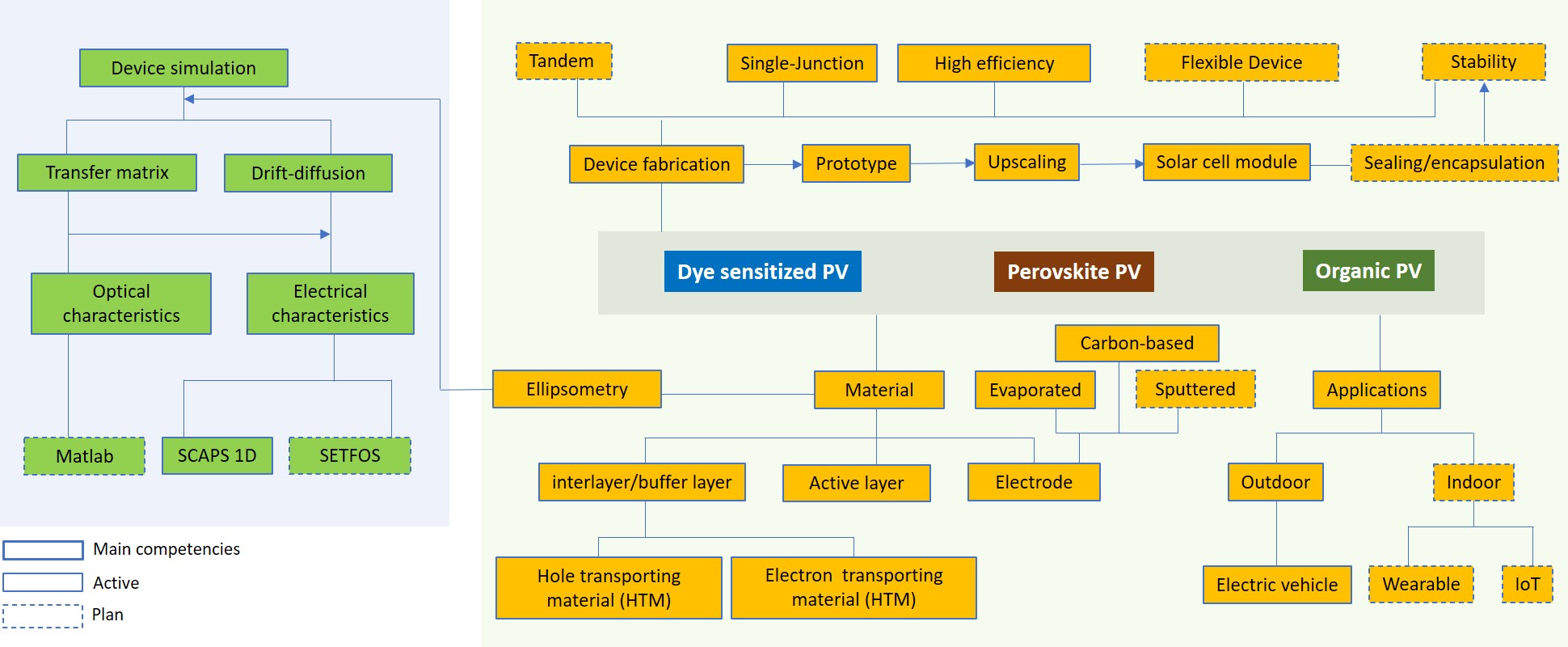
Research Group Leader: Lia Muliani Pranoto, M.T.
Current Main Research:
Development of carbon nanotube as perovskite solar cells electrode for electric vehicle application (Funding from PRN LPDP)
Typical material used as an electrode in perovskite solar cells is a noble metal such as gold or silver. Carbon material such as carbon nanotube (CNT) has the potential to replace noble metal due to its decent conductivity, stability, high surface area, and lower cost. CNT also has a suitable work function to obtain high open-circuit voltage. Therefore, we apply CNT as a top contact of perovskite solar cells and module in this project. The project is divided into five stages which are planned for five years. In brief, the project will start from the preparation of the CNT layer, application of CNT layers as perovskite-based solar cell electrodes, stability of perovskite cells monitoring, scale-up, and solar module prototyping, which then will be applied to a charging system for electric cars.
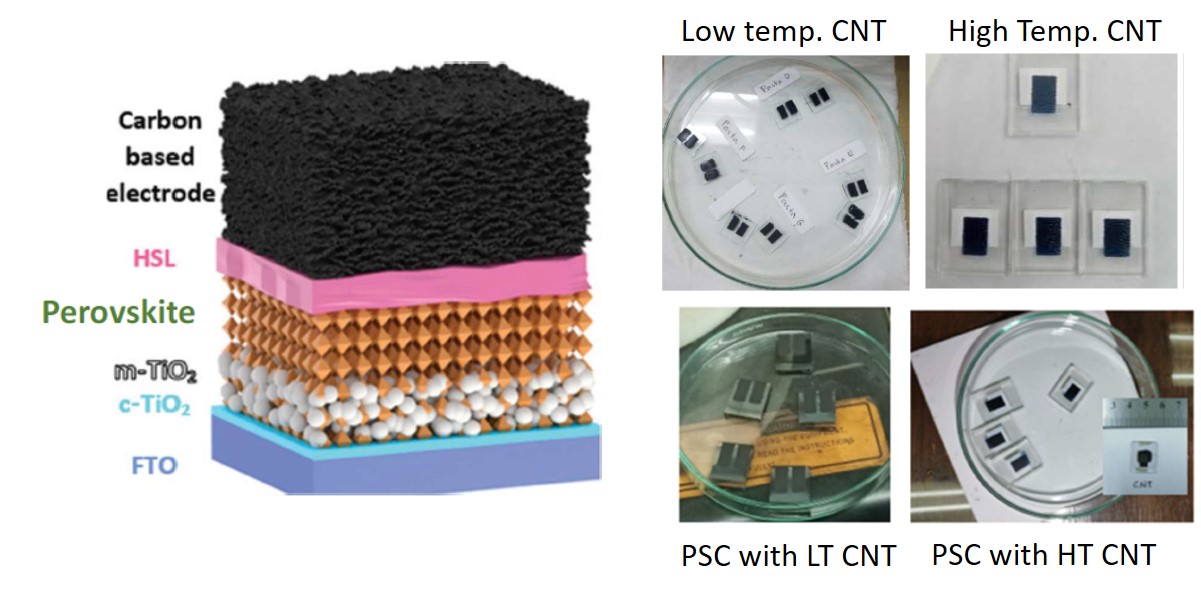
Figure: (left) Perovskite solar cells with CNT electrode, (right) CNT layer and PSC samples (low and high temperature processing)
Collaborators:
Currently, we have several research collaborations both with foreign and domestic institutions that include:
The Commonwealth Scientific and Industrial Research Organisation (CSIRO, Australia), King Abdullah University of Science and Technology (KAUST, Saudi Arabia), Institut Teknologi Bandung (ITB), Universitas Indonesia (UI), Universitas Gajah Mada (UGM)
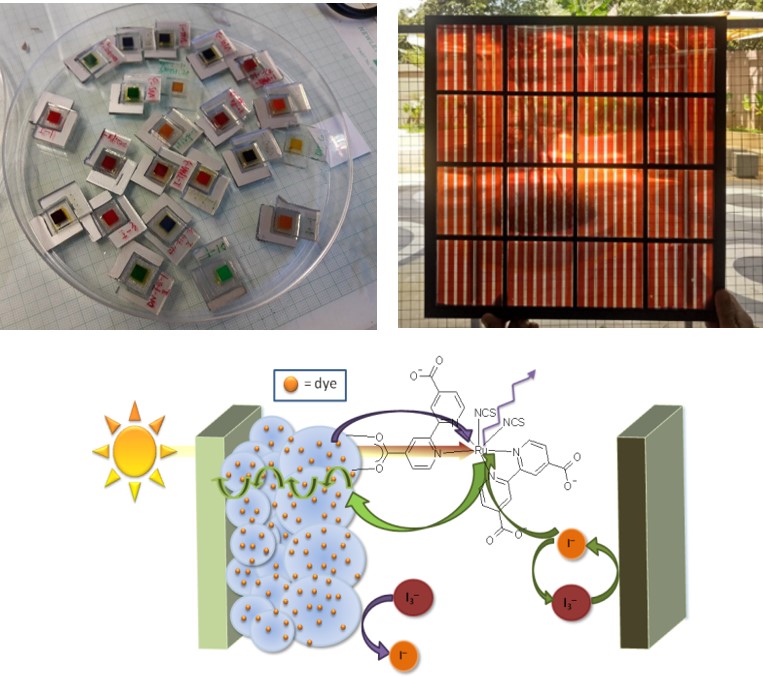
Dye-sensitized solar cell (DSSC) has attracted considerable interest since its first discovery, as it combines both the promise of high efficiency and low fabrication cost. DSSC can also be fabricated over flexible substrates and offer transparency and...
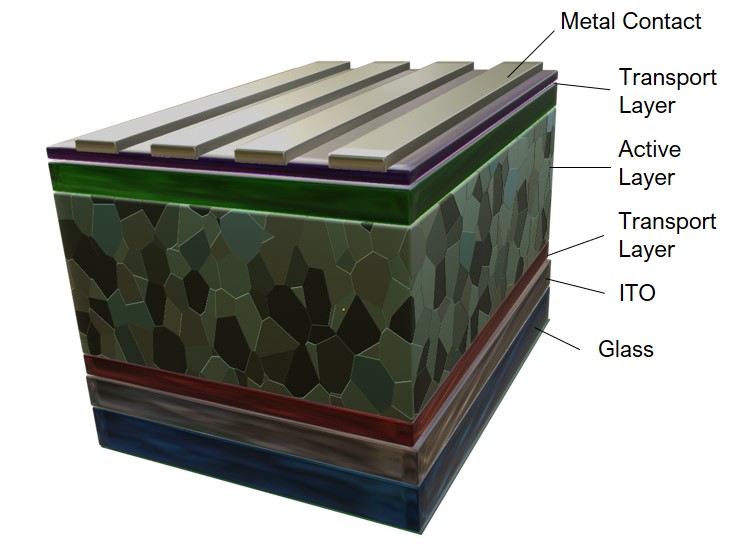
Perovskite solar cells (PSCs) have shown remarkable progress in recent years with rapid increases in conversion efficiency. While the technology has become highly efficient in a very short time, a number of challenges remain before they can become a competitive...
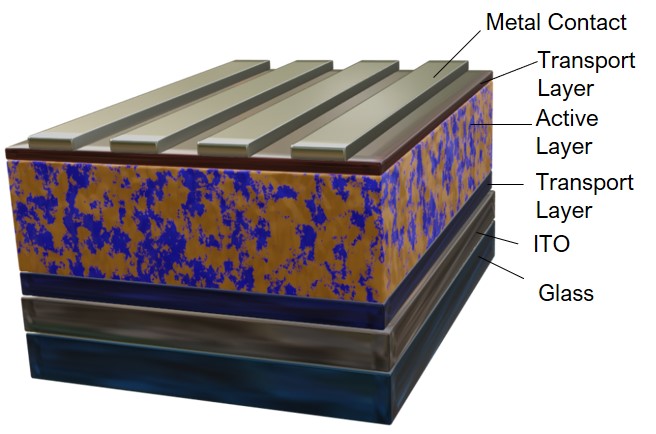
This important research effort was initiated in 2002. After a few years of stagnation in terms of efficiency, organic solar cells (OSCs) are back in the spotlight thanks to the advent of new non-fullerene acceptor (NFA) molecule. NFAs have brought OSCs’...

Group Leader
Research Interest- Solar Cells Fabrication (DSSC, perovskite)
- Material for Solar cells
- Fabrication of solar modules (DSSC, perovskite, flexible solar module)
- Transparent Dye-sensitized Module for Solar Windows
Int. J. Electrochem. Sci (2021) - Performance of 7-cells Dye Sensitized Solar Module in Z-type Series Interconnection
, IOP Conference Series: Materials Science and Engineering 299 (1), 012088 (2018) - Investigation of Photoelectrode Materials Influences in Titania-Based-Dye-Sensitized Solar Cells
International Journal of Technology, vol. 3, page 129-139, 2012 (2012)
- Master of Engineering in Materials Engineering, Institut Teknologi Bandung (ITB), 2013
- Bachelor of Science in Chemical Engineering, Universitas Jendral Ahmad Yani, 1998

Peneliti Madya
Research Interest- Solar cell devices
- Material for solar cells
- Solar cell applications
- Revealing the charge carrier kinetics in perovskite solar cells affected by mesoscopic structures and defect states from simple transient photovoltage measurementss
Sci. Reports. 10, 19197 (2020) (2020) - Fabrication of Hybrid Polymer Solar Cells By Inverted Structure Based on P3HT:PCBM Active Layer
JET, Vol. 17, 1, 2017, 13-18 (2017) - Transparent Dye-sensitized Module for Solar Windows
Int. J. Electrochem. Sci (2021)
- Master of Engineering in Materials Engineering, Institut Teknologi Bandung (ITB), 2006
- Bachelor of Science in Chemistry, Institut Teknologi Bandung (ITB), 1989

Peneliti Madya
Research Interest- Solar Cells Fabrication
- Transparent Dye-sensitized Module for Solar Windows
Int. J. Electrochem. Sci (2021) - Reliability Performance of Up Scaling DSSC into Sub-Module in Series Design using Hermetic Sealing
Journal of Physics: Conference Series 2018 Volume 985 (2017)
- Bachelor of Science in Physics, Universitas Padjajaran, 1998

Peneliti
Research Interest- Organics Solar Cell
- Perovskite Solar Cells
- Enviromentally Friendly Processed Solar Cell
- Master of Science in Material Science, Universitas Indonesia, 2009
- S1 : Bandung Institute of Technology (ITB), Indonesia

Peneliti Madya
Research Interest- Development of Silicon and Non-Silicon based (Dye-Sensitized and Perovskite)
- Solar Cells
- Engineering and Upscaling of Third
- Generation Photovoltaic Solar Modules
- Advanced Porous Materials for Energy and Environment
- Titanium Dioxide Nanorods as An Effective Blocking Layer in Solar Cells
Int. J. Adv. Sci. Eng. Inf. Tech (2020) - Transparent Dye-sensitized Module for Solar Windows
Int. J. Electrochem. Sci (2021) - The effect of screen printed blocking layer on the performance of monolithic DSSC
AIP Conference Proceedings 2256, 060003 (2020) (2020)
- PhD in Chemistry, University of Melbourne, 2016
- Master of Philosophy in Engineering, The Australian National University, 2011
- Bachelor of Engineering in Electrical Engineering, Universitas Indonesia, 2004

Peneliti Pertama
Research Interest- Electronic material
- Semiconductor devices
- Transparent Dye-sensitized Module for Solar Windows
Int. J. Electrochem. Sci (2021) - The effect of screen printed blocking layer on the performance of monolithic DSSC
AIP Conference Proceedings 2256, 060003 (2020) (2020) - Performance of 7-cells Dye Sensitized Solar Module in Z-type Series Interconnection
, IOP Conference Series: Materials Science and Engineering 299 (1), 012088 (2018)
- Bachelor of Science in Physics, Institut Teknologi Bandung, 2012

Peneliti Madya
Research Interest- Integrated circuit (IC) and device
- semiconductor processing
- Silicon solar cells
- Dye sensitized solar cell
- Organic solar cells
- Perovskite solar cells
- Optical and electrical measurement for
- solar cells
- Revealing the charge carrier kinetics in perovskite solar cells affected by mesoscopic structures and defect states from simple transient photovoltage measurementss
Sci. Reports. 10, 19197 (2020) (2020) - Fabrication of Hybrid Polymer Solar Cells By Inverted Structure Based on P3HT:PCBM Active Layer
JET, Vol. 17, 1, 2017, 13-18 (2017) - Titanium Dioxide Nanorods as An Effective Blocking Layer in Solar Cells
Int. J. Adv. Sci. Eng. Inf. Tech (2020)
- Master of Engineering in Chemical Engineering, Institut Teknologi Bandung (ITB), 2006
- Bachelor of Science in Chemical Engineering, Institut Teknologi Bandung (ITB), 1990

Analis Hasil Penelitian
Research Interest- Photovoltaics (organic, perovskite solar cells)
- Nanomaterials
- Device physics
- Long-range exciton diffusion in molecular non-fullerene acceptors
Nature Communications, 11(1), 1-10 (2020) - Intrinsic efficiency limits in low-bandgap non-fullerene acceptor organic solar cells
Nature Materials, 20(3), 378-384, 2021 (2021) - 18.4 % Organic Solar Cells Using a High Ionization Energy Self-Assembled Monolayer as Hole-Extraction Interlayer
ChemSusChem, 2021 (2021)
- PhD in Chemistry, KU Leuven
- Master of Science in Physics, Institut Teknologi Bandung (ITB)
- Bachelor of Science in Physics, Institut Teknologi Bandung (ITB)

Perekayasa Madya
Research Interest- Solar Cells Fabrication
- Fabrication and application solar module
- Transparent Dye-sensitized Module for Solar Windows
Int. J. Electrochem. Sci (2021) - The effect of screen printed blocking layer on the performance of monolithic DSSC
AIP Conference Proceedings 2256, 060003 (2020) (2020) - Performance of 7-cells Dye Sensitized Solar Module in Z-type Series Interconnection
, IOP Conference Series: Materials Science and Engineering 299 (1), 012088 (2018)
- Bachelor of Engineering in Industrial Engineering, STT Bandung, 2004

Teknisi Laboratorium

Teknisi Laboratorium
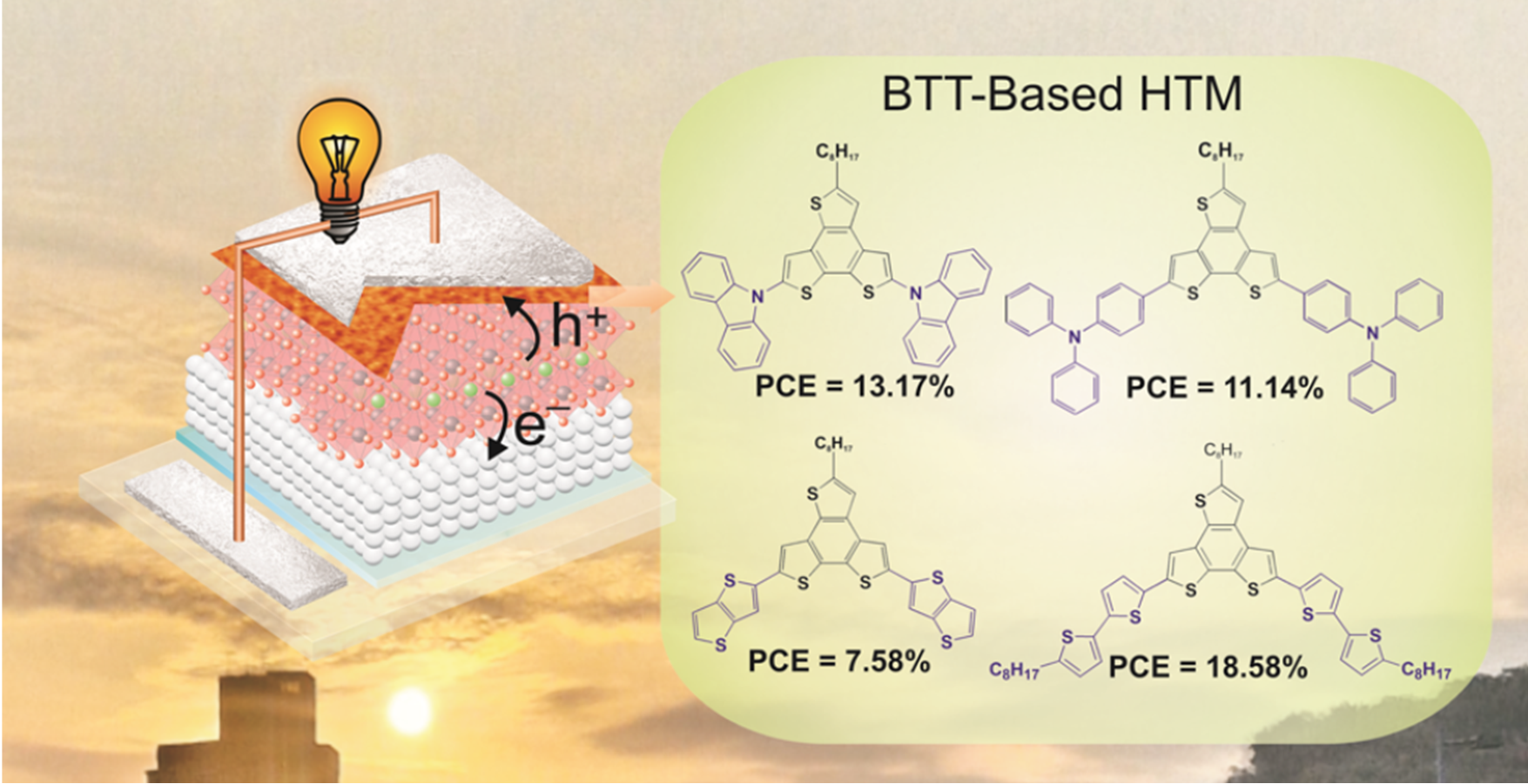
Widhya Budiawan, Kuan-Wen Lai, Priyadharsini Karuppuswamy, Tushar Sanjay Jadhav, Yen-An Lu, Kuo-Chuan Ho, Pen-Cheng Wang, Chien-Chen Chang, and Chih-Wei Chu
ACS Appl. Mater. Interfaces 2020
2020
Abstrak
In this study, we synthesized a series of small-molecule benzotrithiophenes (BTTs) and used them as hole transporting materials (HTMs) in perovskite solar cells (PSCs). The asymmetric benzo[2,1-b:-3,4-b′:5,6-b″]trithiophene unit was used as the central...
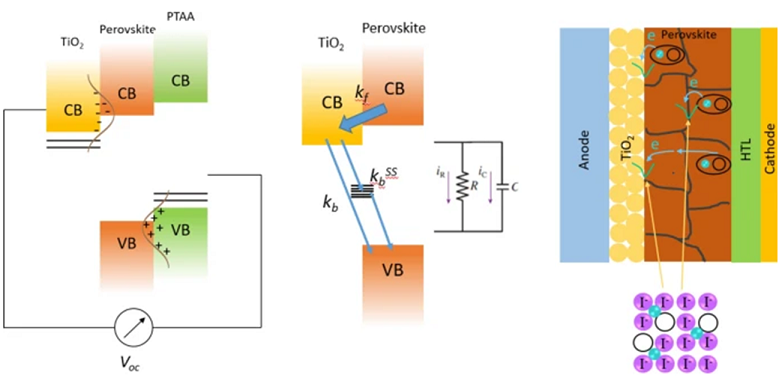
Rahmat Hidayat, Adhita Asma Nurunnizar, Alvin Fariz, Herman, Erlyta Septa Rosa, Shobih, Tomohisa Oizumi, Akihiko Fujii, Masanor Ozaki
Sci. Reports. 10, 19197 (2020)
2020
Abstrak
This report shows that, by using simple transient photovoltage (TPV) measurements, we can reveal a significant correlation between the TPV decay characteristics and the performance of these perovskite solar cells. TPV decay seems to be composed of a rising...
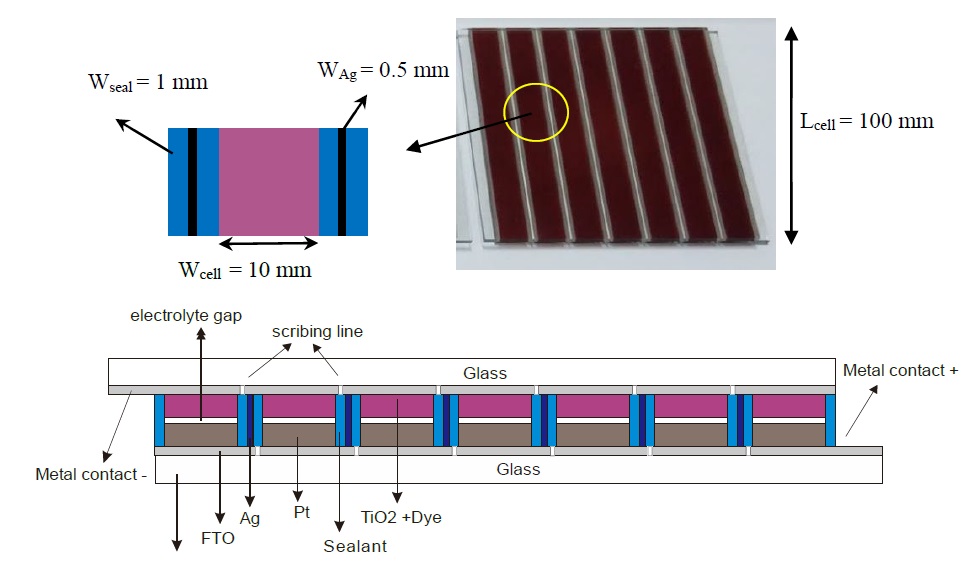
Lia Muliani, Jojo Hidayat, Shobih , Natalita Maulani Nursam, Erlyta Septa Rosa, Putri Nur Anggraini, Lilis Retnaningsih
Int. J. Electrochem. Sci
2021
Abstrak
Dye-sensitized solar cells (DSCs) rely on a photoelectrochemical mechanism. Currently, one of the most significant developments of DSCs is intended toward developing a module for building-integrated photovoltaics (BIPVs). The DSC module could be achieved...
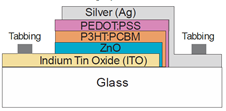
Shobih, Rizky Abdillah, Erlyta Septa Rosa
JET, Vol. 17, 1, 2017, 13-18
2017
Abstrak
Hybrid polymer solar cell has privilege than its conventional structure, where it usually has structure of ITO/PEDOT:PSS/Active Layer/Al. In humid environment the PEDOT:PSS will absorb water and hence can easily etch the ITO. Therefore it is necessary...
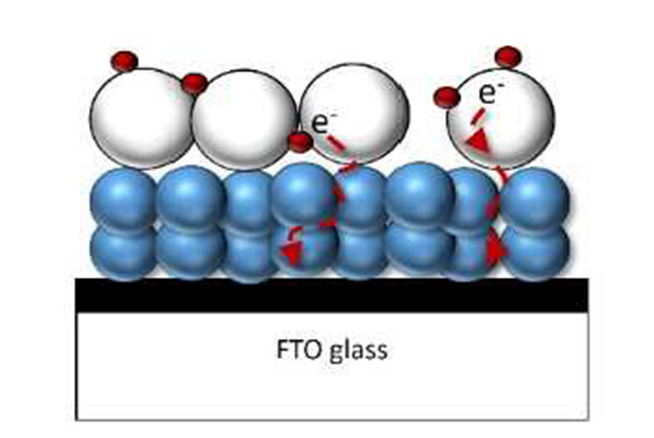
Natalita Maulani Nursam, Shobih, J. Pandanga, Xingdong Wang
Int. J. Adv. Sci. Eng. Inf. Tech
2020
Abstrak
Blocking layer holds a crucial function in dye-sensitized solar cells (DSSC). It essentially prevents recombination from occurring between electrons in the photoanode and the oxidized dye molecules within the electrolyte. Furthermore, this layer could...
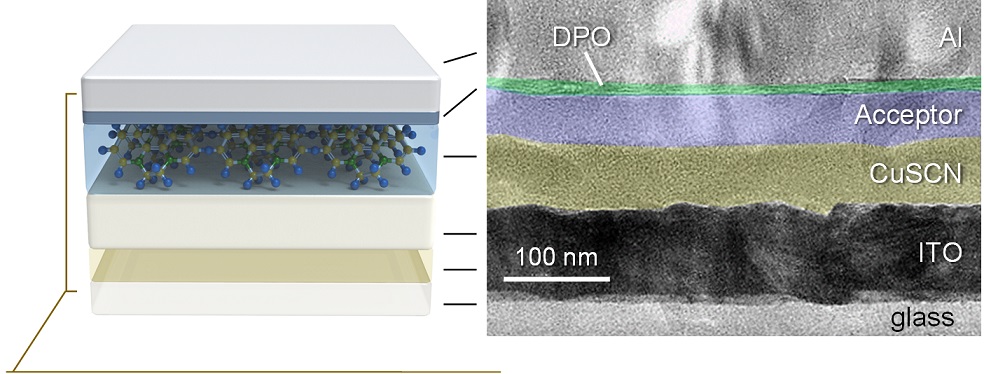
Yuliar Firdaus, Vincent M. Le Corre, Safakath Karuthedath, Wenlan Liu, Anastasia Markina, Wentao Huang, Shirsopratim Chattopadhyay, Masrur Morshed Nahid, Mohamad I. Nugraha, Yuanbao Lin, Akmaral Seitkhan, Aniruddha Basu, Weimin Zhang, Iain McCulloch, Harald Ade, John Labram, Frédéric Laquai, Denis Andrienko, L. Jan Anton Koster, Thomas D. Anthopoulos
Nature Communications, 11(1), 1-10
2020
Abstrak
The short exciton diffusion length associated with most classical organic semiconductors used in organic photovoltaics (5-20 nm) imposes severe limits on the maximum size of the donor and acceptor domains within the photoactive layer of the cell. Identifying...
Lia Muliani, Bambang Sunendar
Advanced Materials Research
2013
Abstrak
Nanocrystalline TiO2 has been synthesized through non-aqueous sol-gel using acetic acid (HOAc) and hydrochloric acid (HCl) as a catalyst. Titanium isopropoxide (TTIP) as precursor was prepared by reaction between TiCl4 with isopropyl alcohol (IPA) in...
Lia Muliani, Mariya Q., Jojo Hidayat, Erlyta Septa
Proceedings of the 2014 International Conference on Physics and its Applications
2014
Abstrak
The performance of dye-sensitized solar cells (DSC) is affected by its components such as photoelectrode material, dye-sensitized, electrolyte, substrate and counter electrode materials. In this study, we investigated the effect the addition of larger...
Alfian Ferdiansyah Madsuha, Muhamad Saepudin Wahab, Syukur Daelay, Erlyta Septa Rosa, Donanta Dhaneswara, Akhmad Herman Yuwono*
Materials Science Forum, vol. 1000 (2020), pp. 12-19
2020
Abstrak
Dye-sensitized solar cells (DSSCs) is a part of the third-generation family which have been developed under substantial research for almost three decades due to their low-cost fabrication, low toxicity, and can be manufactured on the flexible substrate....
Natalita M. Nursam; Jojo Hidayat; Shobih Shobih; Putri Nur Anggraini
IEEE Xplore Proc. of the 2020 ICRAMET , 276-280, 2020
2020
Abstrak
Interconnected dye-sensitized solar cells (DSSC) with monolithic structure offer a promising concept with the benefit of low material cost and ease in fabrication as opposed to the conventional sandwich-type configuration. This work presents fabrication...
Natalita M. Nursam, Xingdong Wang, and Rachel A. Caruso
ACS Comb. Sci. 2015, 17, 10, 548–569
2015
Abstrak
Titanium dioxide is widely known as a prominent photocatalyst material and research in this area has increased substantially over the last decades. However, the photoactivity of TiO2 is hindered by several factors, such as a relatively high photogenerated...
Natalita M. Nursam, Lia Muliani
International Journal of Technology, vol. 3, page 129-139, 2012
2012
Abstrak
Solar cells are excellent devices which enable the provision of renewable energy in a safe and easy way. A dye sensitized solar cell (also referred as dye solar cell) is a new type of solar cell, whose operation is based on photoelectronic chemically...
Natalita M. Nursam , Klaus J. Weber , Hao Jin, Yongling Ren
Current Applied Physics, vol. 10, S361-S364, 2010
2010
Abstrak
Electron paramagnetic resonance (EPR) measurements were employed to observe the dominant defect at the thermally grown (1 1 1) Si–SiO2 interface, namely the Pb center, of samples with oxides grown at moderate temperatures. The presence of boron diffusion...
Putri Nur Anggraini, Lilis Retnaningsih, and Jojo Hidayat
Journal of Physics: Conference Series 2018 Volume 985
2017
Abstrak
Dye-sensitized solar sub-module has been prepared as a practical application of DSSC. TiO2 paste was deposited onto the 3.3 cm × 5 cm FTO glass by screen printing method consisting of two active cells with a dimension of 1 cm × 5 cm for each cell. The...
Putri Nur Anggraini*, Lia Muliani, Natalita Maulani Nursam, Jojo Hidayat
, IOP Conference Series: Materials Science and Engineering 299 (1), 012088
2018
Abstrak
Dye sensitized solar cells (DSSC) is becoming attractive research topic as third generation solar cells technology since it provides clean energy and low cost fabrication. In this study, DSSC was fabricated into module scale, which is important for...
Yuanbao Lin, Artiom Magomedov, Yuliar Firdaus, Dimitris Kaltsas, Abdulrahman El-Labban, Hendrik Faber, Dipti R. Naphade, Emre Yengel, Xiaopeng Zheng, Emre Yarali, Neha Chaturvedi, Kalaivanan Loganathan, Despoina Gkeka, Sanaa H. AlShammari, Osman M. Bakr, Prof. Frédéric Laquai, Leonidas Tsetseris, Vytautas Getautis, Thomas D. Anthopoulos
ChemSusChem, 2021
2021
Abstrak
Self-assembled monolayers (SAMs) based on Br-2PACz ([2-(3,6-dibromo-9H-carbazol-9-yl)ethyl]phosphonic acid) 2PACz ([2-(9H-Carbazol-9-yl)ethyl]phosphonic acid) and MeO-2PACz ([2-(3,6-dimethoxy-9H-carbazol-9-yl)ethyl]phosphonic acid) molecules were investigated...
Putri N. Anggraini, Natalita M. Nursam, Zulhayyir, Shobih, and Jojo Hidayat
AIP Conference Proceedings 2256, 060003 (2020)
2020
Abstrak
Monolithic dye-sensitized solar cell (DSSC) is a modification of conventional sandwich DSSC that effectively reduces the production cost because it only uses a single substrate for both of photoelectrode and counter electrode. In this research, monolithic...
Safakath Karuthedath, Julien Gorenflot, Yuliar Firdaus, Neha Chaturvedi, Catherine S. P. De Castro, George T. Harrison, Jafar I. Khan, Anastasia Markina, Ahmed H. Balawi, Top Archie Dela Peña, Wenlan Liu, Ru-Ze Liang, Anirudh Sharma, Sri H. K. Paleti, Weimin Zhang, Yuanbao Lin, Erkki Alarousu, Dalaver H. Anjum, Pierre M. Beaujuge, Stefaan De Wolf, Iain McCulloch, Thomas D. Anthopoulos, Derya Baran, Denis Andrienko & Frédéric Laquai
Nature Materials, 20(3), 378-384, 2021
2021
Abstrak
In bulk heterojunction (BHJ) organic solar cells (OSCs) both the electron affinity (EA) and ionization energy (IE) offsets at the donor–acceptor interface should equally control exciton dissociation. Here, we demonstrate that in low-bandgap non-fullerene...
Yuliar Firdaus, Vincent M. Le Corre, Jafar I. Khan, Zhipeng Kan, Frédéric Laquai, Pierre M. Beaujuge, Thomas D. Anthopoulos
Advanced Science, 2019, 6, 1802028
2019
Abstrak
The reported power conversion efficiencies (PCEs) of nonfullerene acceptor (NFA) based organic photovoltaics (OPVs) now exceed 14% and 17% for single-junction and two-terminal tandem cells, respectively. However, increasing the PCE further requires...
E. Widianto, Shobih, E. S. Rosa, K. Triyana, N. M. Nursam, I. Santoso
Advances in Natural Sciences: Nanoscience and Nanotechnology (accepted)
2021
Abstrak
-
E. Widianto, E. Subama, N. M. Nursam, K. Triyana, I. Santoso
Proceeding at the 6th International Conference on Science and Applied Science (ICSAS 2021), 6 April 2021
2021
Abstrak
-
Wenhong Peng, Yuanbao Lin, Sang Young Jeong, Yuliar Firdaus, Zewdneh Genene, Aggelos Nikitaras, Leonidas Tsetseris, Han Young Woo, Weiguo Zhu, Thomas D Anthopoulos, Ergang Wang
Chemistry of Materials
2021
Abstrak
The use of ternary organic semiconducting blends is recognized as an effective strategy to boost the performance of polymer solar cells (PSCs) by increasing the photocurrent while minimizing voltage losses. Yet, the scarcity of suitable donors with a...
- Universitas Indonesia (Fisika FMIPA)
- ITB (Fisika FMIPA, Teknik Matelurgi, F. Ilmu Kebumian dan Teknologi Mineral)
- Universitas Diponegoro (Fisika FMIPA)
- Universitas Negeri Sebelas Maret (Fisika FMIPA)
- Universitas Andalas (Fisika FMIPA)
- Universitas Pendidikan Indonesia (Fisika FMIPA)
- Universitas Hasanuddin (Fisika FMIPA)
- Universitas Surya (Teknik Fisika, FT)
- Telkom University (Teknik Fisika, F. Teknik Elektro)
- Swiss-German University (Sustainable Energy & Environment, F. Life Science & Technology)
- The Commonwealth Scientific and Industrial Research Organisation (CSIRO, Australia): collaboration on the topic of photocatalyst materials and its application as functional coating for dye-sensitized and perovskite solar cells (DSSC, PSC)
- King Abdullah University Science and Technology (KAUST, Saudi Arabia): research collaboration on the topic of development of transport layer for organic and perovskite solar cells (OSC, PSC) and device simulation