Category

Uncategorized

LIPI Builds Landslide Early Warning System

By | Uncategorized | No Comments

Indonesia has great potential to experience landslides. The National Disaster Management Agency (BNPB) predicts that around 95% of hydro meteorological disasters will occur in 2019.

With this background, LIPI has created a Soil Movement Danger Monitoring System tool named Wiseland (Wireless Sensor Network for Landslide Monitoring) of stationery type. This tool is able to monitor various types of soil movements in real time so that it is effective with high accuracy because it is equipped with a sensor network and has been implemented in several landslide-prone areas, including in Bandung, Purwakarta and Banjarnegara regencies.

With the needs in the field during the disaster emergency process, the research team is currently developing a mobile type of Wiseland (Mobile Wiseland). By having the same advantages as the type of stationary, the difference in the type of mobile lies in the gateway that can be portable and has high mobility.

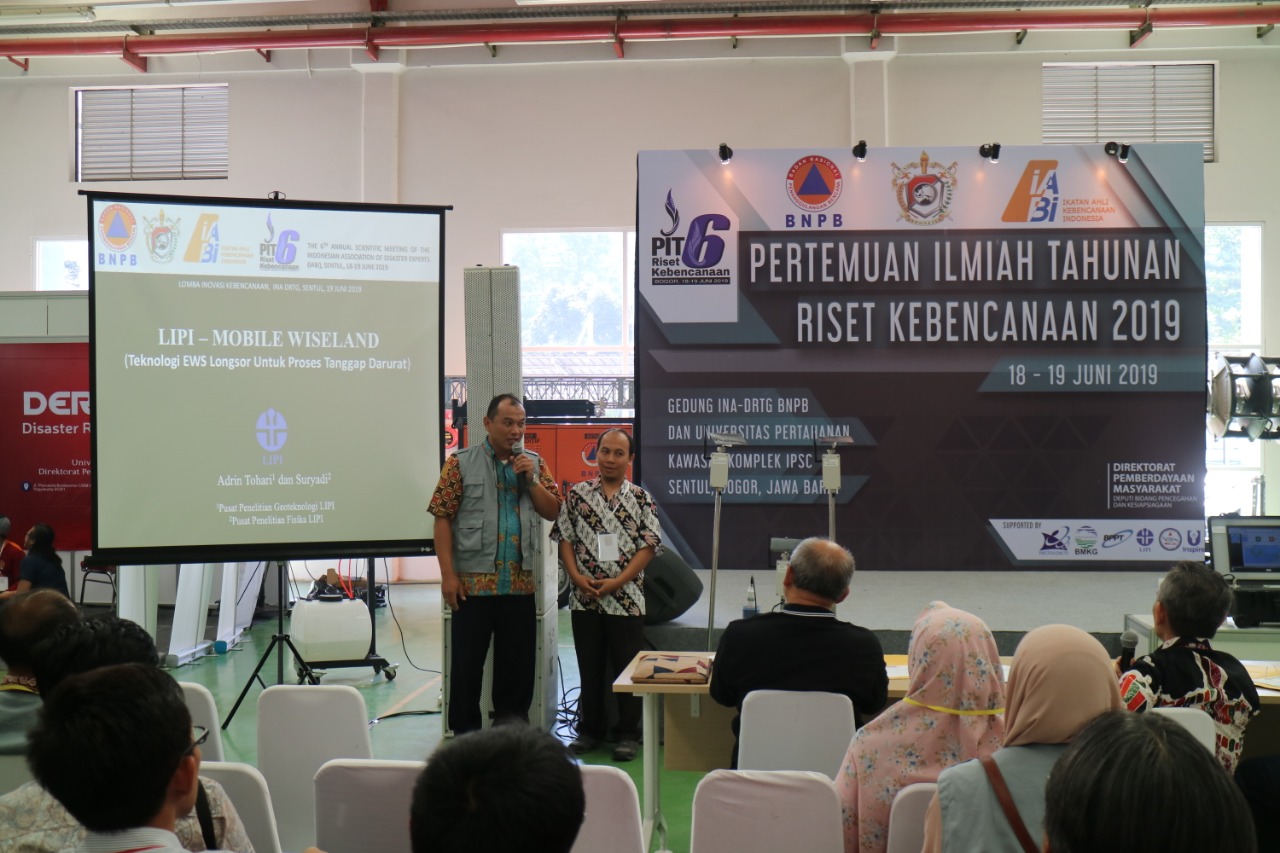
Dr. Ir. Adrin Tohari, M. Eng., A researcher at the LIPI Physics Research Center with Suryadi, ST, a researcher at the LIPI Geotechnology Research Center as an inventor, presented the Mobile Wiseland at the 2019 Disaster Research Annual Scientific Meeting organized by BNPB in Sentul Bogor on 18-19 June 2019 , where LIPI became the finalist of the disaster prepared innovation competition.

Seeing the frequent occurrence of landslides, making this tool important to be used to prevent the increase in casualties. “So far, if landslides occur, observations for aftershocks are only carried out visually. Of course this has many limitations that allow the SAR team who evacuated to become victims,” said Adrin.
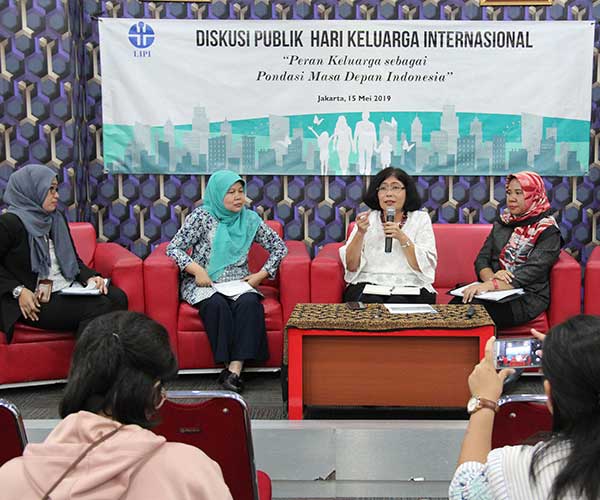
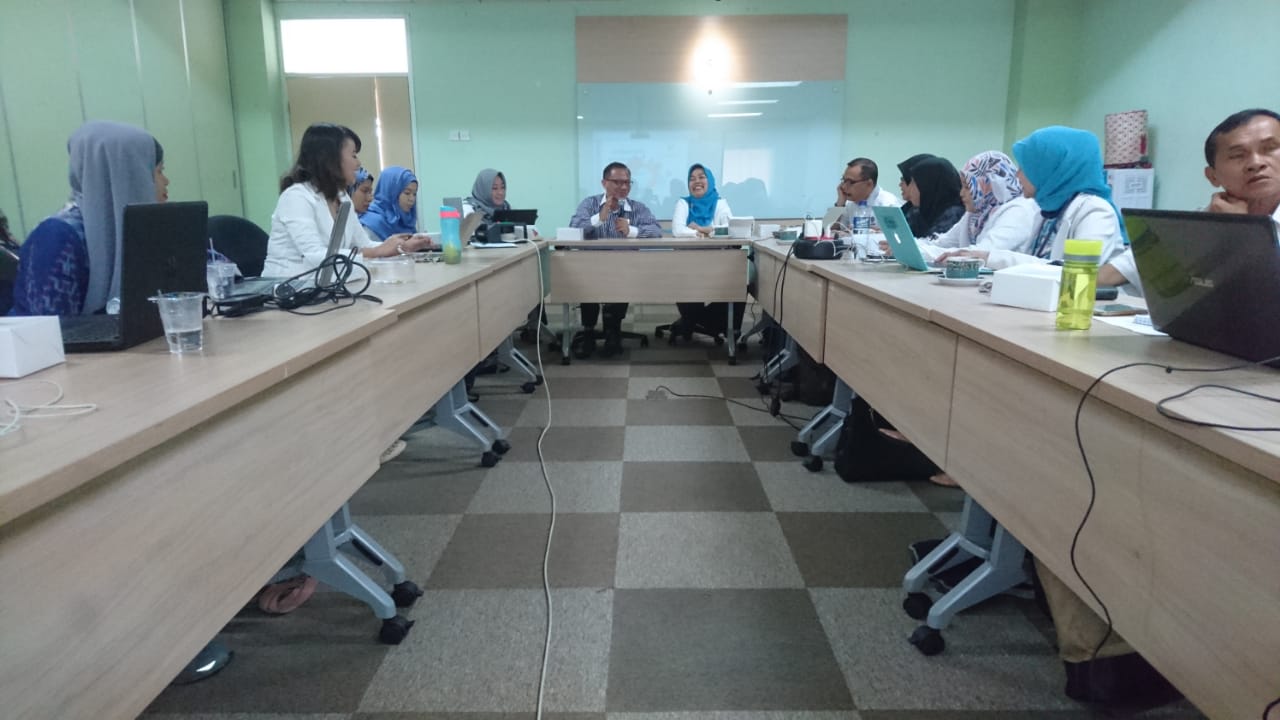
Strengthen the Family’s Role on Children Mental and Physical Development

By | Uncategorized | No Comments

The role of parent is so important for the children for both physical and mental development. Chief Secretary of LIPI, Nur Tri Aries Suestiningtyas said, “the family is the pillar of the nation, because that is where the first education for children obtained,” when opening the International Family Day Public Discussion, Wednesday, May 25, 2019 at the Sasana Widya Sarwono LIPI.

In terms of physical development, Indonesian parents need better understanding in good consumption patterns for children. This is because Indonesia still has a stunting problem. Ainia Herminiati, a researcher at the Center for Appropriate Technology LIPI said, “stunting can be prevented by paying attention to the consumption patterns of children in the first 1000 days of life.” The nutrition of Breast milk’s food replacement is not the only thing need to be considered, but the texture and variety is also important so that children are not bored and still want to eat healthy.

Mental development in children is also important aspects, especially in adolescents. Teenagers born in the digital age are very active in operating devices even without being taught and monitored. The danger of cyberbullying is a challenge for parents to supervise the internet usage habits of teenagers. “Cyberbullying os more dangerous because children are still bullied even though they are at home. The use of fake accounts also makes the bullies difficult to track and anticipate, so parents find it difficult to handle,” said Augustina Situmorang, a researcher at the LIPI demographic population.

The wide gap between parents and children in the internet activity make it more difficult for the parent to understand the children. This gap makes cyberbullying is harder to prevent. Children tend to hide problems from parents because they think parents will not understand and can’t provide the protection needed.
Therefore digital literacy for parents needs to be understood in order to be able to supervise properly. Digital literacy is not only a matter of teaching children to use devices, but also a matter of emotional ability. “This is a challenge for parents not only to monitor the duration of the use of devices and digital media. But also emotional skills. Such as understanding content and selecting information,” said Aulia Hadi, social and cultural research center researcher LIPI.

PPID is Expected Not Only to Respond Information

By | Uncategorized | No Comments

The existence Management Officer of Information and Documentation (PPID) is a mandate from the implementation of Law Number 14 Year 2008 regarding Public Information Openness. As part of a public agency, the Indonesian Institute of Sciences has implemented the provisions of the law since 2010 by appointing PPIDs assisted by PPIDs in all work units of LIPI. “LIPI keeps improving the information services to the public. With the development of the existing technology, PPID is currently not only required to respond information request but also to be able to anticipate the possibility of information disputes,” said Main Secretary of LIPI, Nur Tri Aries on Wednesday (19/6) in Bogor, West Java.

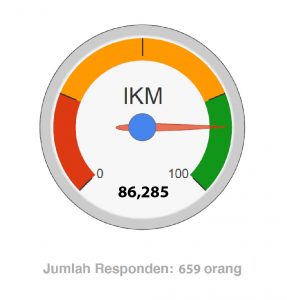
Nur explains that in the Monitoring and Evaluation of the Implementation of Public Information Openness that was held by the Central Information Commission (KIP) of the Republic of Indonesia last year, LIPI received the title Menuju Informatif with a value of 86.69 from 39 public agency participating in the category of Government Department & Non-ministerial government department. The total number of public agency assessed is 460 consisting of Ministries, Government Department & Non-ministerial government department, Non-Structural Institutions, Provincial Governments, Universities, State-Owned Enterprises, and Political Parties. “Hopefully, the score will be higher this year,” he said.

The Chairperson of the Central Information Commission of Indonesia, Gede Narayana, reveals that public information disclosure is part of the principles of transparency and accountability in open governance mechanisms. “As a democracycountry, the principle of information disclosure must be implemented even though different countries have different applications,” Gede explained.
According to Gede, as a LIPI public body must be transparent because all LIPI activities are funded and have implications for the public. “LIPI must present all data except the excluded information,” he concluded. (trans: iz)

LIPI and Kotawaringin Barat Regency Collaboration to Build E-Government Service

By | Uncategorized | No Comments

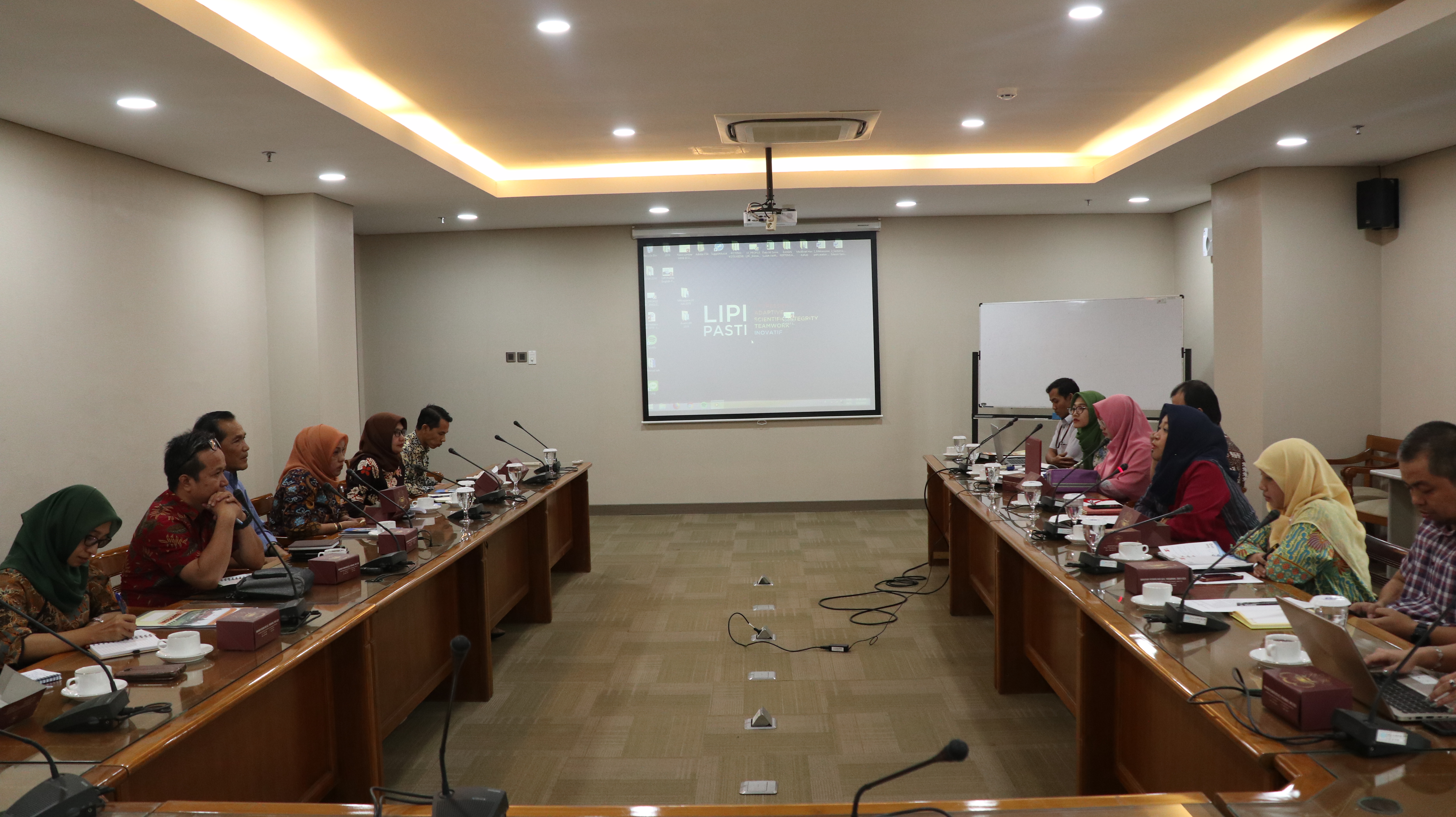
Government’s Regional Research and Development Agency of Kotawaringin Barat Regency (Bappeda) visited LIPI headquarters on Thursday (8/8). During the visit the delegation of Bappeda Kotawaringin Barat Regency presented a plan to collaborate with LIPI. In 2020 there will be 2 studies through self-management, the first related to the study of Spatial Integration System Development (Spatial System) and Electronic-Based Government Systems Study. Related to this, LIPI is trusted to be able to provide knowledge and assistance to make the plan runs well.

In addition to the two studies, They also plans to build an e-government system in its region so that people can easily access government services. Supervision from researchers from LIPI is considered.

“We want experts from LIPI to accompany us. Our plan, in December we will do an MoU and at the same time the PKS with the Bappeda can be done in January, “said one representative of the Bappeda of Kotawaringin Barat Regency.

Bridging the cooperation, BKHH as the cooperation service provider suggested that further studies be carried out immediately so that the needs of the Kotawaringin Barat Regency Government can be known. That way LIPI can immediately prepare the technical assistance needed.

Enhancing the Culture of Disaster Awareness through the Disaster Research Exhibition

By | Uncategorized | No Comments

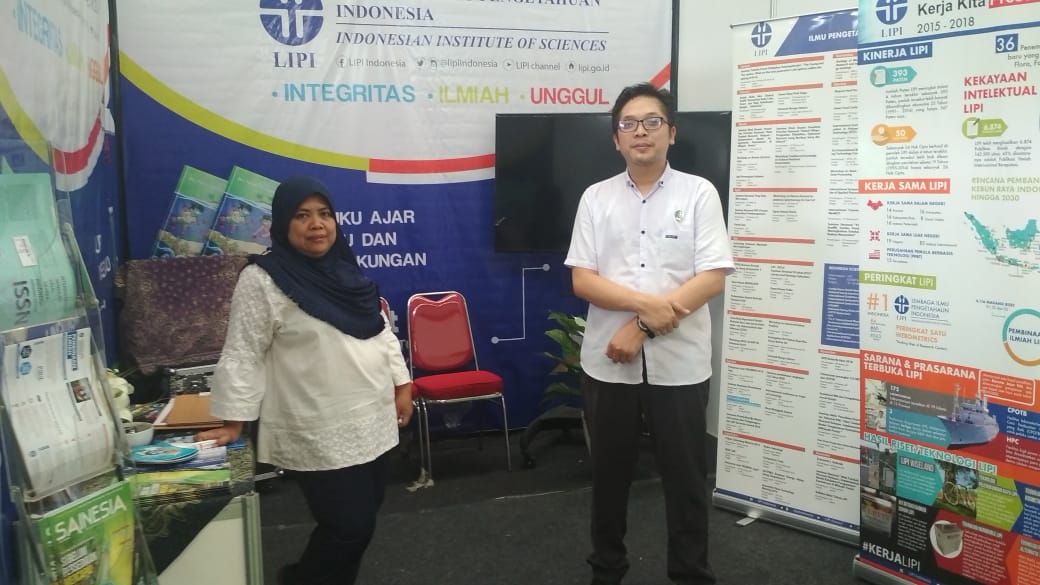
Bogor, Public Relations LIPI. Regarding its geographical location, Indonesia territory has vulnerability to various types hazard, including natural hazards and man-made/anthropogenic hazards. In order to enhance the culture of disaster awareness to the public, the Indonesian Institute of Sciences (LIPI) participated in the Disaster Research Exhibition organized by the National Disaster Relief Agency (BNPB) at the Defense University, Bogor, West Java on Tuesday-Wednesday (18-19 / 6).

The exhibition is attended by Indonesia’s Ministries/Institutions, universities, non-governmental organizations as well as communities or forums that have conducted research related to disaster. “The purpose of organizing this exhibition is building the capacity and facility for sharing the best experiences of science and technology based on local wisdom as a system of monitoring and evaluating the active role of the community in the efforts of disaster relief,” explained the Head of BNPB, Doni Monardo.

Several results of disaster research related to the warning system displayed by LIPI include LIPI Wireless Sensor Network for Landslide Monitoring (LIPI WISELAND) - GREATEST (Gravity for Groundwater Extraction for Slope Stability) from Geotechnology Research Center LIPI to monitor the movement of soils on critical land. Besides, LIPI also exhibits E-MOST, an early warning system for environmental disasters to reduce the risk of lake damage from Limnology Research Center LIPI. Meanwhile, Physics Research Center LIPI displays My Blueincdroid or Digital Inclinometer using Android-based operating system.

In addition, visitors can also access publications of research, studies of prevention, and environmental education from several research center of LIPI, such as the Population Research Center, the Center of Information, Digitalization, Documentation, and Oceanographic Research Center.

The Regional House of Representative of Gunung Kidul Explores Collaboration with BPTBA LIPI

By | Uncategorized | No Comments

Indonesia Institute of Sciences (LIPI) plans to promote the echelon status of the Research Institute of Natural Materials Technology (BPTBA) LIPI in Yogyakarta to become the Echelon II Research Center. By this decision, it is expected that it will increase the scope of research so as to make a quality improvement in various aspects, including the scope of cooperation. On Monday (5/7) Commission C of the Regional House of Representative (DPRD) and the Regional Planning and Development Agency (Bappeda) of Gunung Kidul and Gunung Kidul visits the center office of LIPI in Jakarta to explore cooperation with BPTBA in order to increase the potential of Gunung Kidul Regency.

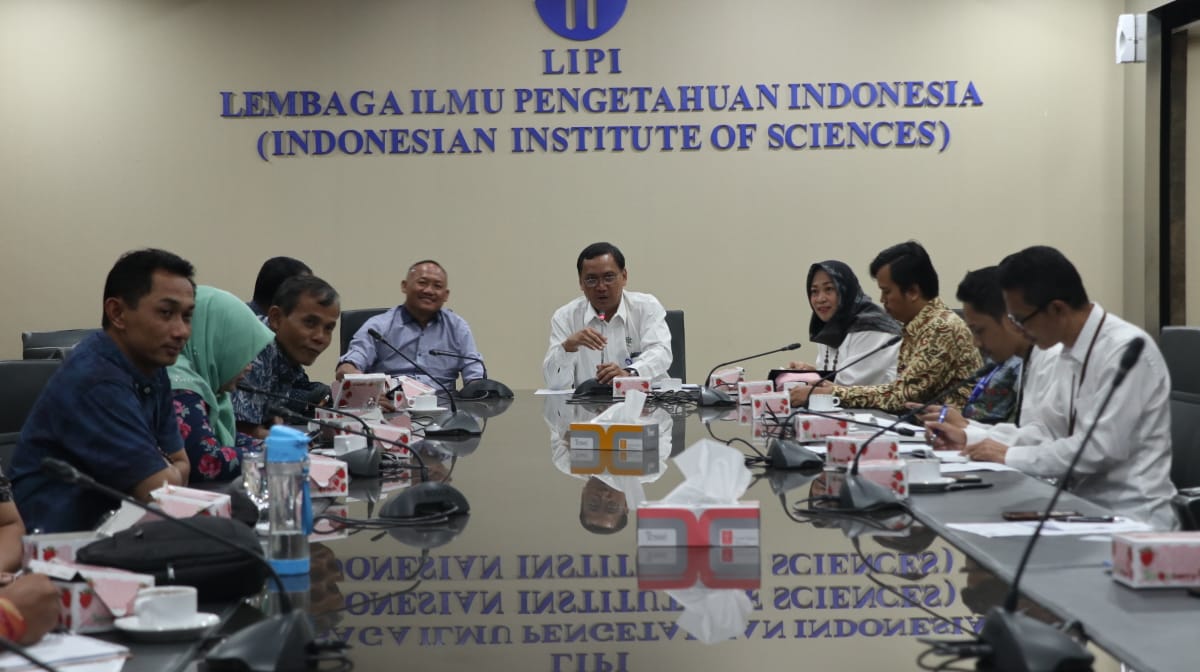
Welcoming the plan, Mego Pinandito, the Deputy of LIPI Scientific Services, believes that Gunung Kidul Regency has a lot of potential that can be explored and improved. “LIPI is not only about BPTBA, but also many other fields. With the great potential of Gunung Kidul Regency, a lot of things can be explored with other research centers of LIPI,” said Mego.

The chairperson of Commission C of DPRD of Gunung Kidul Regency, Purwanto, mentioned that Gunung Kidul had many potentials in natural resources but limited in human resources. Purwanto hopes that BPTBA LIPI can help to utilize cassava resources to be an animal feed so as to produce good livestock production. Moreover, he hopes that LIPI can explore the potential of straw that is usually thrown away at the harvest time without knowing its potential.

Suharjo, vice chairman of Commission C of DPRD of Gunung Kidul, raised the issue about white stone cutting waste and calcareous water. He hopes that the welfare of farmers can also be improved with better knowledge about soil maintenance. “Our human resources are very resilient in execution, but we need help from LIPI researchers in terms of further knowledge,” Suharjo said. “Knowledge about land maintenance may be given so that farmers’ welfare can be raised. In addition, Gunung Kidul has a problem of calcareous water sources from white stone cutting waste. If this problem can be dealt with then the water source of Gunung Kidul can be used economically.”

However, Purwanto states his hope that the visit could explore the potential for cooperation between Gunung Kidul Regency and LIPI. “I hope this collaboration will be an initial synergy between LIPI and the Government of Gunung Kidul Regency. So, the potential of the natural resources can be utilized optimally to increase the economic value, in order to improve the welfare of its people.” (trans:iz)

PDDI as the Authorized Administrator of Indonesian Research Data

By | BKHH News, Uncategorized | No Comments

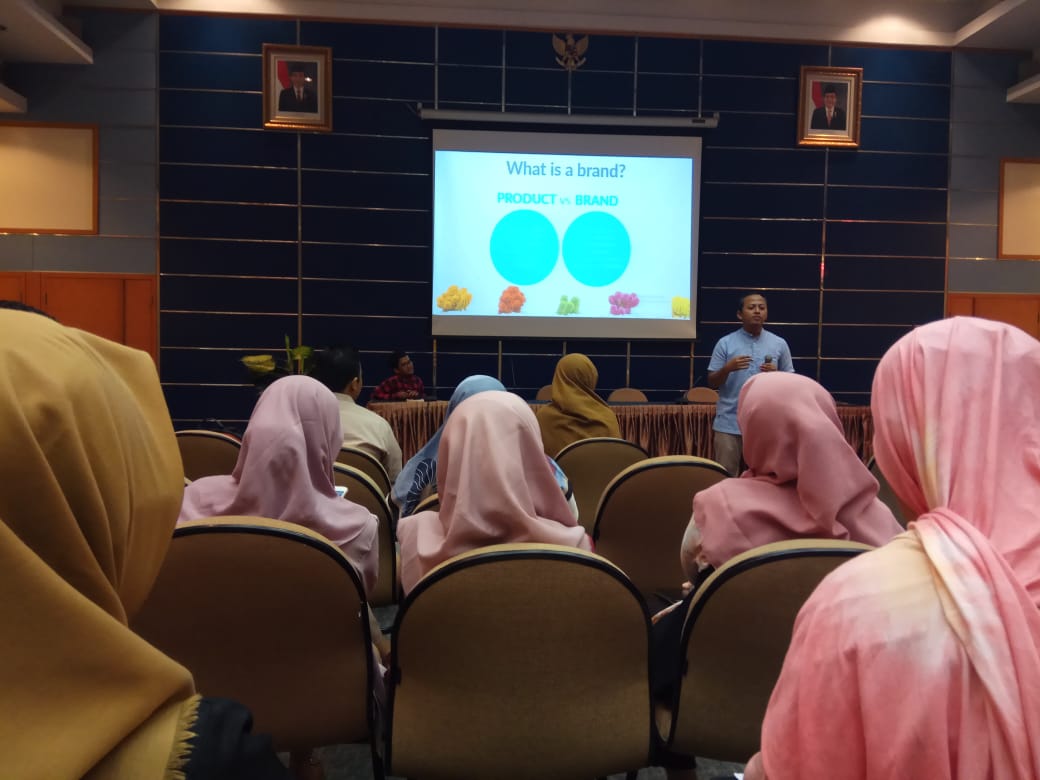
The Center for Scientific Documentation and Information (PDII) The Indonesian Institute of Sciences (LIPI) has been transformed into a Center for Scientific Data and Documentation (PDDI). for the re-branding of this unit, PDDI invited the Chairman of the West Java Advertising Company Association (P3I) Iman Sulaeman in the Focus Group Discussion (FGD): Building the PDDI LIPI Corporate Branding ” on Friday (20/6) in LIPI Jakarta. Iman explains that a brand is an identity which is a combination of reputation and consistency. “Brands are not just names, slogans, logos and designs,” he added.
Iman conducted a simple survey involving 20 respondents to find out what is in the minds of respondents as the public representation about LIPI. Respondents’ answers that were graded by him were Smart People, Professors, Research, Seriously, and Oldish. Next, Iman gives tips on steps to create a brand. First, determine the goal. Second, conduct a competitor analysis. Third, determine the target audience/market segmentation. Fourth, find brand positioning.
Alongside with Iman, Jakarta Regional Public Relations Manager – LIPI’s Cooperation, Legal and Public Relations Bureau, Dyah Rachmawati Sugiyanto said that there are 4 stages of branding that are commonly applied, namely brand awareness, perceived quality, brand association, and brand loyalty. “We can start to discuss the brand awareness stage, by mapping public segments, PDDI targets, and PDDI positioning now,” he said. “Branding starts from internalization and cannot be done by just one unit, but must be together within the scope of a corporation,” he said.
This FGD is the first step of PDDI to introduce its new function for the public. Previously PDII functioned as a library collection administrator, now PDDI functions as the appointed administrator of Indonesian research data. (drs)

Cilacap’s Science Youth Camp to Develop Young Humans Resources

By | Uncategorized | No Comments

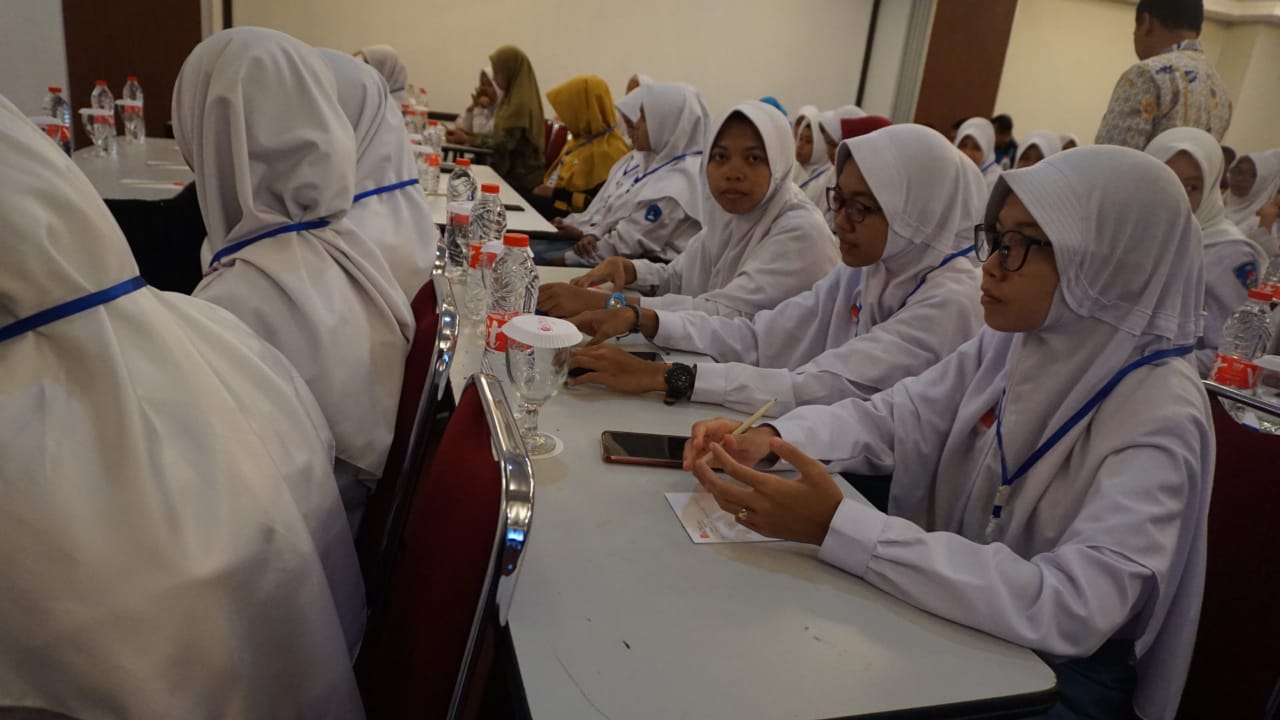
Cilacap, BKHH.The Government of Cilacap Regency, together with the Indonesian Institute of Sciences, seeks to develop the quality of the youth through science camp. The science Youth Camp (PIR) in Cilacap was opened on Tuesday (6/8) by the chief acting of LIPI’s Cooperation, Law and Public Relations Bureau (BKHH), Mila Kencana. PIR Cilacap is attended by 60 students from various high schools / equivalent, and scientific-writing training for 30 teachers from schools around Cilacap. This activity will take place four days until Friday (9/8).

“PIR Cilacap is an attempt of the regional government to develop science-loving character for the youth. This activity aims to develop the youth to have innovative and scientific mind,” Mila said. She also mentioned that PIR is cooperation between LIPI and the government in terms of youth empowerment in science and technology.

Mila emphasized that it is important for the teachers to keep the learning continues.”As the saying goes A great person can produce several quality works, but a qualified teacher can give birth to thousands of great people. ”

To the students, Mila reminded them to express their ideas and aspirations of their research for better change. Mila said “Speak your mind, Make people sure and understand that your research is useful and potential for the community.”